Generative Engine Optimization (GEO): The Marketer’s Complete Guide for 2026
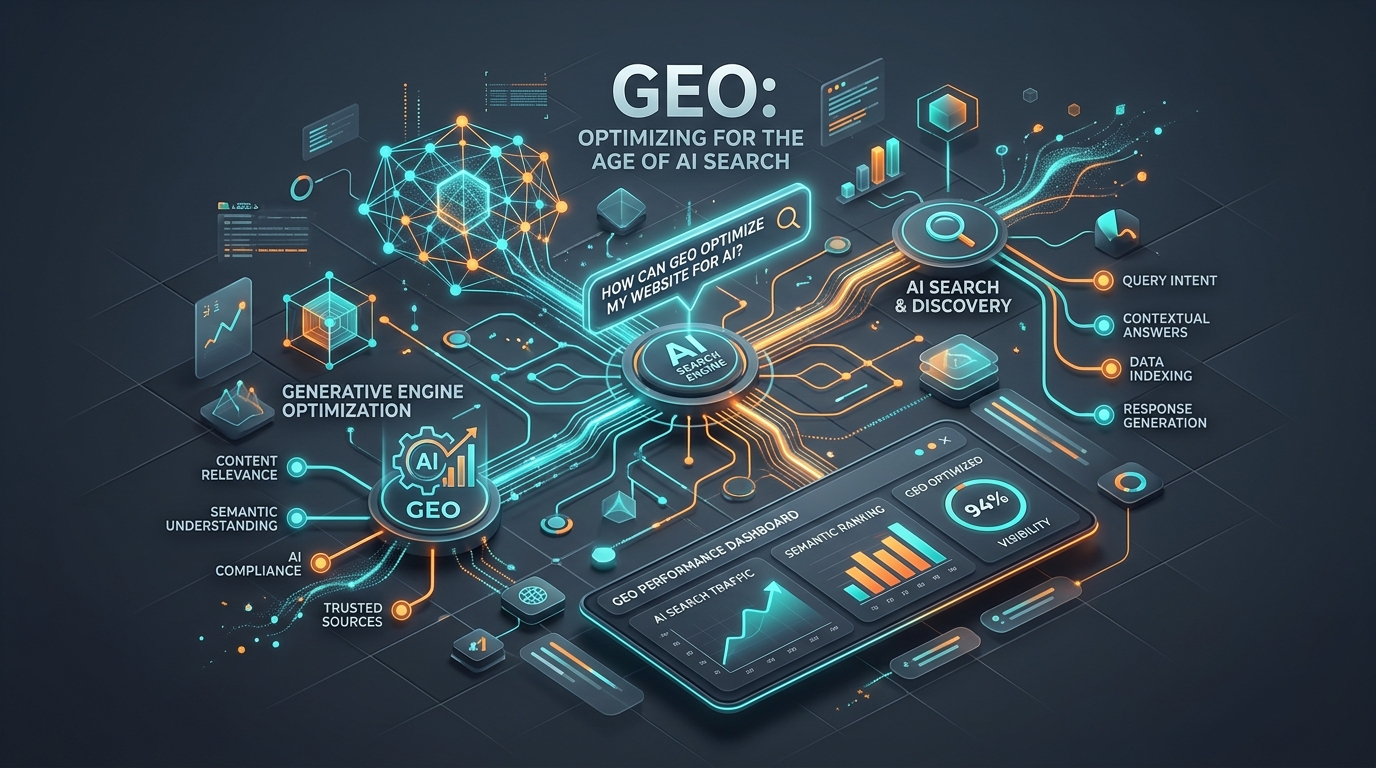
What You’ll Learn in This Article
Search engine optimization is undergoing its biggest transformation since the introduction of Google's mobile-first indexing. With over 60% of search queries now interacting with AI summaries, Generative Engine Optimization (GEO) has become the single most critical growth lever for modern businesses.
Key Takeaway
Traditional SEO focused on ranking for blue links. GEO focuses on becoming the source of truth cited inside AI-generated answers across OpenAI ChatGPT, Perplexity AI, Claude, and Google AI Overviews.
What is Generative Engine Optimization (GEO)?
Generative Engine Optimization (GEO) is the discipline of structuring, verifying, and distributing content so that Large Language Models (LLMs) and Answer Engines easily parse, cite, and reference your brand as an authoritative source when answering user prompts.
Unlike traditional search engine crawlers that rely purely on keywords and backlinks, LLM-based search engines prioritize:
- Direct Facts & Empirical Data: Statistics, benchmarks, and original research.
- Clear Entity Structures: Explicit definitions and structured schema markup.
- Brand Authority & Citations: Mentions across trusted industry platforms and multi-channel content.
- Authoritative Expert Insights: First-hand insights from credentialed experts.
GEO vs Traditional SEO: Key Differences
Understanding the difference between traditional search ranking factors and AI citation engines is essential for adapting your marketing strategy:
| Factor | Traditional SEO | Generative Engine Optimization (GEO) |
|---|---|---|
| Primary Goal | Rank #1-#3 on Google SERP | Get cited as direct source in AI answers |
| User Intent | Click links to visit website | Get synthesized answer with source links |
| Content Format | Long-form keyword rich text | Structured tables, bullet lists, & clear quotes |
How AI Engines Choose Content to Cite
Recent research into generative search behavior shows that LLMs run a retrieval-augmented generation (RAG) pipeline when responding to a prompt. They search real-time web indexes for high-density information modules.
"Content containing clear quantitative statistics, structured tables, and expert quotations experiences up to 40% higher citation frequency in AI Overview summaries."
5 Actionable GEO Strategies for Higher Citation
- Add Authoritative Quotes & Statistics: Back up every claim with verifiable numbers and statistics.
- Include Structured Comparison Tables: AI models love parsing markdown and HTML tables.
- Use Clear Subheadings & Direct Definitions: Answer questions directly in the first sentence after a heading.
- Implement Schema Markup (JSON-LD): Use Organization, Article, FAQ, and TechArticle schema.
- Maintain Consistent Multi-Channel Citations: Ensure your brand details match across directories, Wikipedia, and press releases.
Measuring GEO Success & Performance
Track your brand's AI search visibility by monitoring referral traffic from AI platforms (chatgpt.com, perplexity.ai), auditing AI answer prompts for target keywords, and tracking direct brand mention sentiment.

Sajol Hossain
Sajol Hossain is the Founder and Lead Architect at Believers Software. With over 8 years of hands-on experience in full-stack JavaScript, custom WordPress engineering, and SEO architecture, he helps growth-driven brands scale their digital footprint.
Related Growth Insights
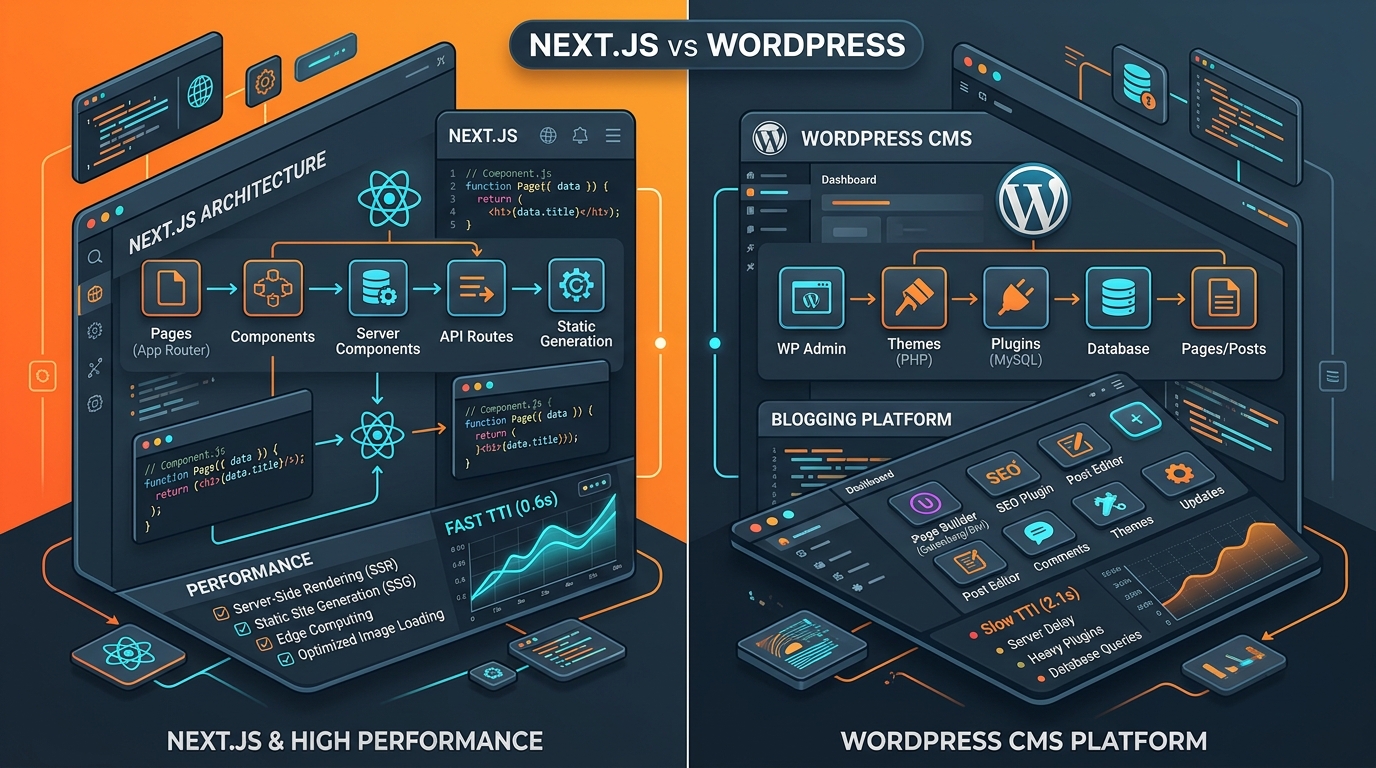
Next.js 15 vs. WordPress in 2026: Which Stack is Right for Your Business?
Choosing between a headless Next.js custom web application and a WordPress site impacts your site performance, security, SEO, and long-term scalability. Here is an honest breakdown.

WordPress Security Guide: How to Clean Malware & Protect Your Site from Hacks
Over 13,000 WordPress sites are hacked every day. Learn the exact steps our security team uses to clean infected files, remove Google blacklist warnings, and lock down your site.